
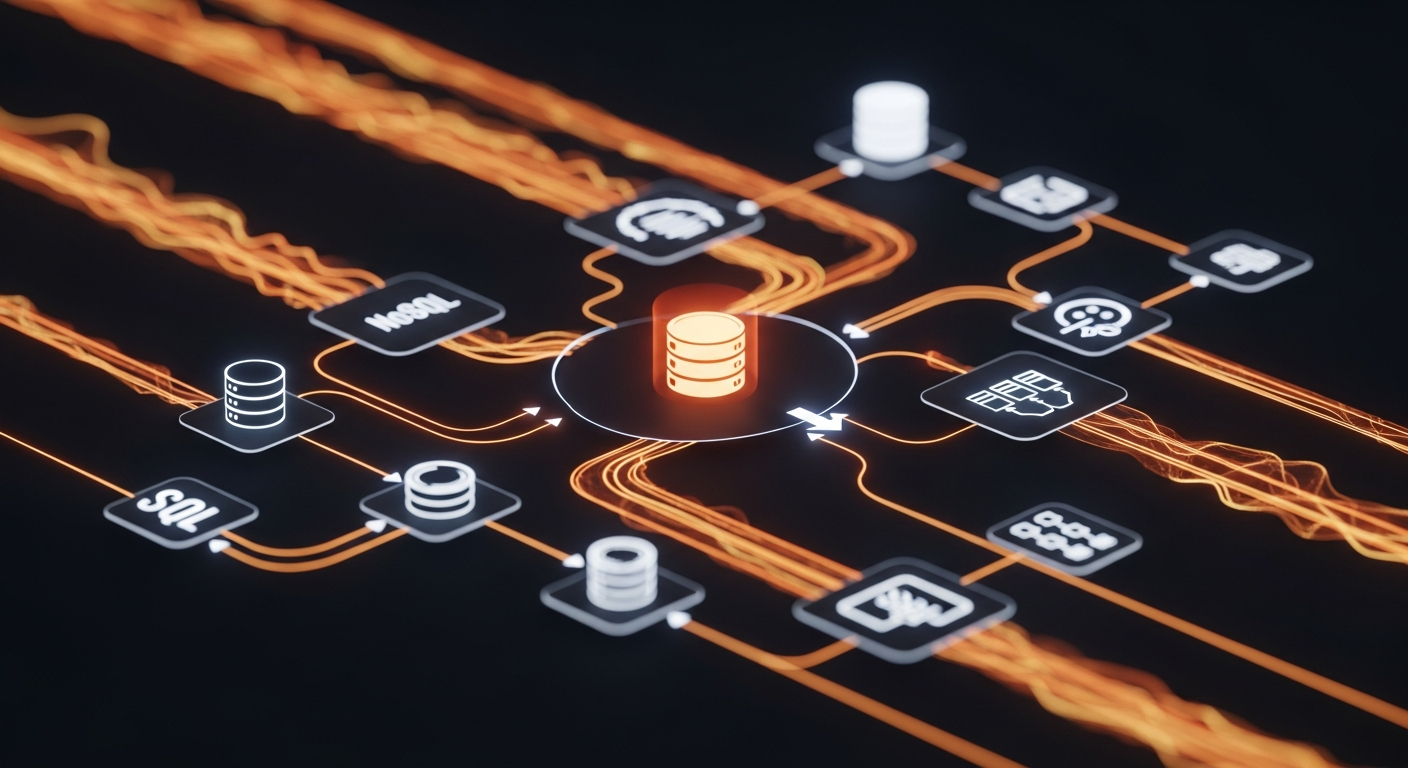
The acronym ETL (Extract, Transform, Load) hasn't changed since the 1970s, but the infrastructure it runs on has changed beyond recognition. Modern data teams manage dozens of sources, sub-second freshness requirements, complex transformation logic, and compliance obligations that their predecessors never had to think about. The old tools — GUI-based, monolithic, vendor-locked — were designed for weekly batch jobs. They don't fit.
What's actually different in 2025
Modern data infrastructure is cloud-native, multi-source, and streaming-first. Data lives in PostgreSQL, in Snowflake, in Kafka, in REST APIs, in event streams, and in SaaS tools. Freshness expectations have gone from daily to hourly to near-real-time. Transformation logic is increasingly written by engineers in SQL, Python, or dbt — not dragged across a canvas in a proprietary GUI.
The compliance dimension has also escalated sharply. Every pipeline that touches PII now needs audit logging, data lineage tracking, and the ability to answer "where did this data come from?" within minutes of a regulator asking.
The code-first shift
The most successful data teams we work with have moved to code-first pipeline definitions. Pipelines are defined in version-controlled configuration, reviewed in pull requests, and deployed via CI/CD. This is a fundamentally different approach from the legacy GUI tools — but it also requires better tooling for testing, observability, and debugging.
DBsafe's pipeline engine gives you the code-first approach with a visual interface layered on top. You write SQL transformations, define your source and destination connectors, and the platform handles scheduling, retries, error handling, and execution logging.
PII-aware pipelines
This is the dimension legacy ETL tools almost universally ignore: what happens when a pipeline moves PII? In most organisations, the answer is "the same as anything else" — which is how PII ends up in data warehouses, logging systems, and analytics platforms it was never supposed to reach.
DBsafe pipelines are PII-aware by design. Every pipeline run automatically scans the data in transit, flags detected PII, and can apply masking transformations before data reaches its destination. You can configure masking rules per pipeline, per column, per destination — and every decision is logged to the immutable audit trail.
Scheduling, monitoring, and alerting
A pipeline that runs once and isn't monitored isn't a pipeline — it's a script. DBsafe's scheduling engine supports cron-based, event-triggered, and dependency-based execution. Every run is logged with input row counts, transformation metrics, output statistics, and error details. Failed runs send alerts to your configured channels. You can replay any run, inspect any execution, and build dashboards on top of pipeline health metrics.